
What is the impact of 100% charging on EV battery health?
Owning an EV is still more expensive than owning a traditional gasoline-powered car, autopowercare.com even though the price of EV batteries is still declining. What are the differences in range performance between gasoline-powered and electric vehicles? Running costs are lowered because it is less expensive to transform electricity into usable energy. Because EVs run on electricity, they are more efficient than combustion engines in a number of situations, particularly when driving at low speeds, which makes them very helpful in urban traffic.Second, take the cooling system into account. It is a closed loop that hardly ever requires maintenance. Although it is a sealed system, some EVs do have a liquid cooling loop for the battery. It doesn't need to be altered. Replacing the cabin air filter is far more likely than touching anything that has to do with battery fluid. The fluid level under the hood does not need to be checked.
These are similar to the new You don't even need to travel to a garage by car. What about software updates? Yes, some EVs have a liquid cooling loop for the battery, but it is a sealed system. You give your approval, go to bed, and wake up to a car that is a little more efficient or has a longer range. You can perform that maintenance task while wearing your pajamas. A smartphone update is one of the many updates that come over Wi-Fi. A battery warranty lasting approximately eight years or 100,000 miles is standard on many electric cars, and some manufacturers provide even longer coverage.
Most warranties cover eight years or 100,000 miles, and degradation from normal use, including full charges, will not void that. It's a natural process, like tires wearing down or brake pads thinning. Electricity is less expensive to convert into usable energy, resulting in a reduction in running costs. Electric cars are often the better choice if you plan to drive less than 50 kilometers every day. In what situations are electric cars the best choice for my driving needs?
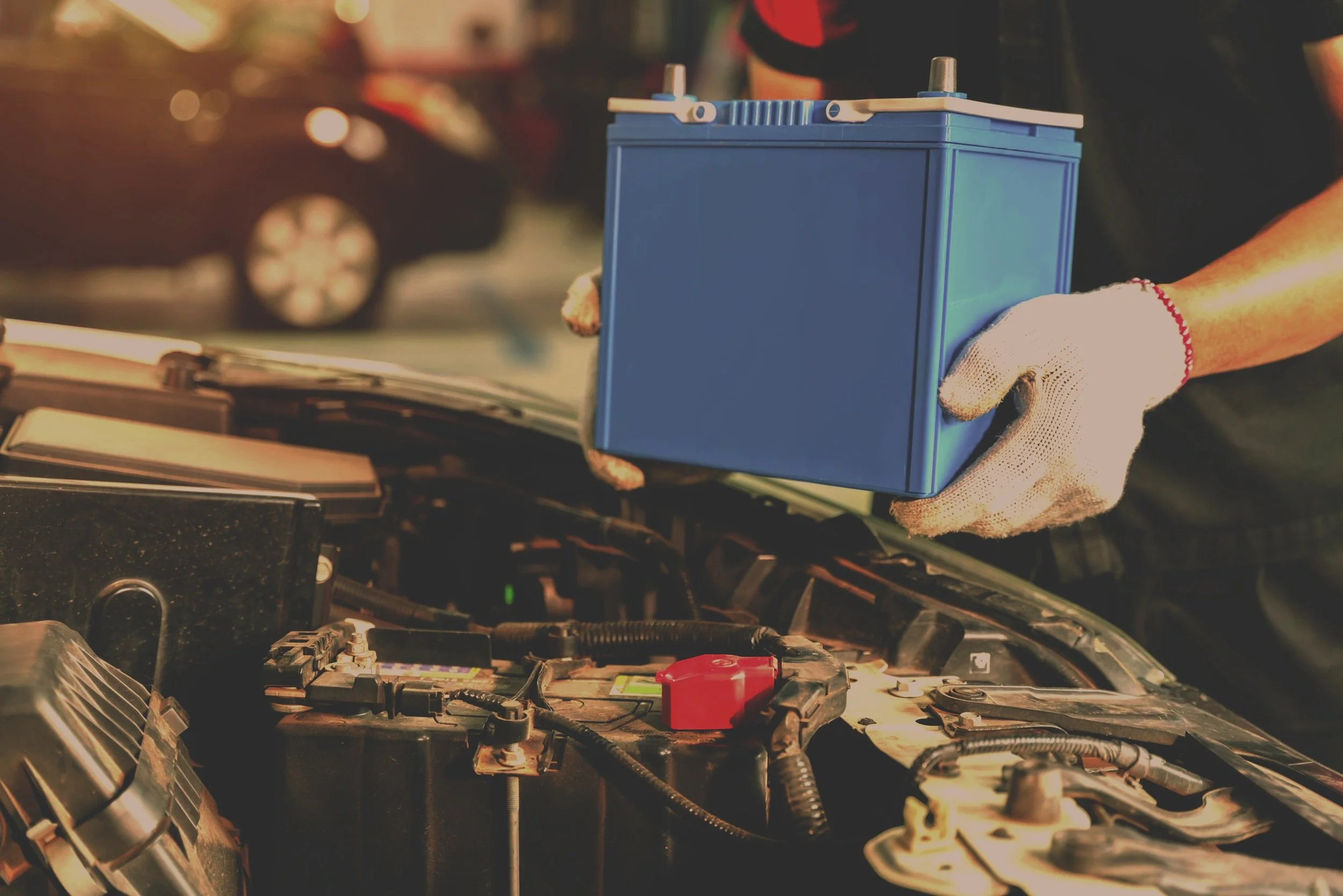 According to current estimates from industry experts and actual fleet data, a modern battery pack is expected to maintain approximately 90% of its initial capacity beyond the first 50,000 miles. The suspension, interior, and paint of the vehicle will probably be ready for the scrap heap by the time the battery reaches the end of its useful life for driving. In fact, a lot of automotive engineers estimate that, under typical circumstances, the battery will easily last fifteen to twenty years.
That rate of decline is incredibly low. Most packs should easily surpass 100,000 miles if you project that curve further, and they should still have enough range for weekend trips and daily commutes.